

Dental Implants After Gum Recession: Can You Still Get Implants?
Losing a tooth is hard enough. Finding out you also have gum recession can make everything feel more complicated. Many people in Scottsdale ask the same question: “Is it still possible to get implants if my gums have pulled back?” The answer is yes, in most cases, but it takes the right preparation and the right care team. If you have been researching Dental Implants Scottsdale options and wondering whether gum recession disqualifies you, this post will give you honest, clear answers.
What Is Gum Recession and Why Does It Matter?
Gum recession happens when the gum tissue pulls away from the teeth, exposing the roots. It can be caused by gum disease, brushing too hard, genetics, or years of untreated dental issues.
When gums recede, bone loss often follows. Since dental implants need strong bone and healthy gum tissue to anchor properly, recession creates a real challenge. But it does not make implants impossible.
According to the American Academy of Periodontology, gum disease (which is a leading cause of recession) affects nearly half of adults over 30 in the U.S. That means millions of people are in the same position you might be right now.
Can You Get Dental Implants With Gum Recession?
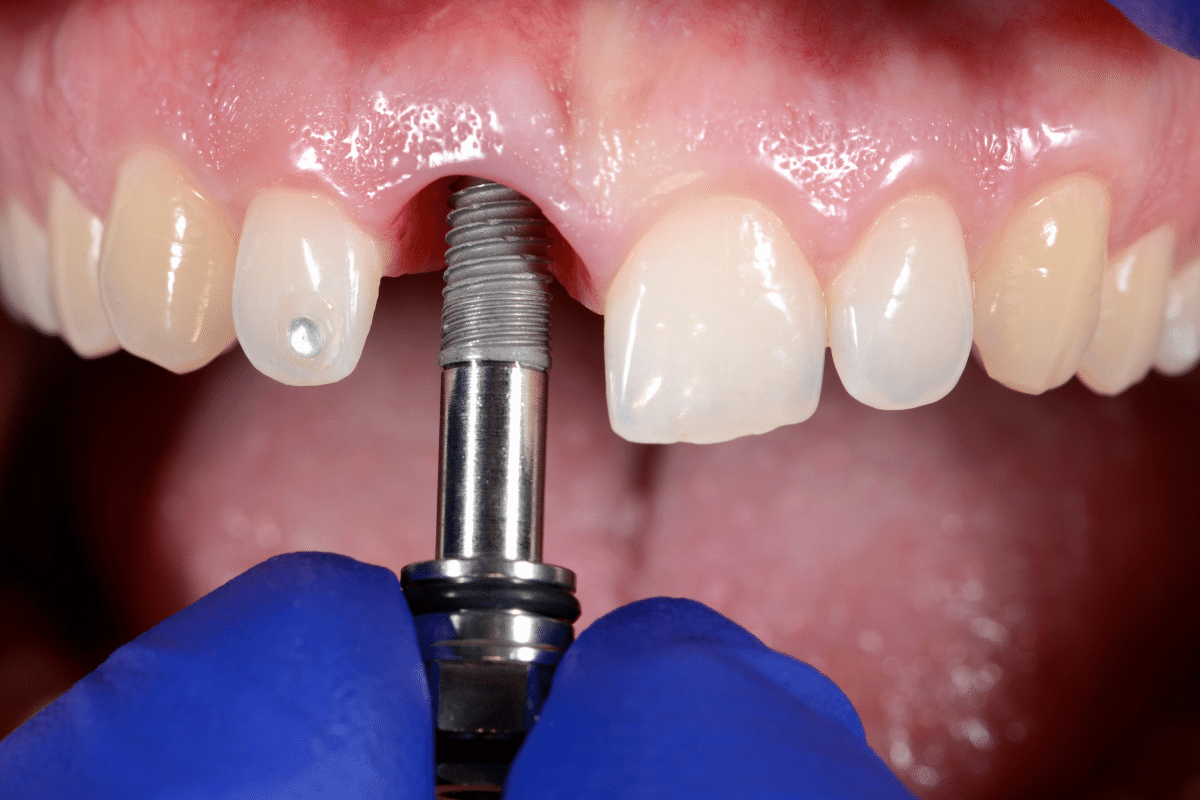
Yes, but only after the underlying problem is treated. Placing implants into unhealthy tissue is like building a house on a weak foundation. It will not hold. Here is what usually needs to happen first.
Step 1: Treat the Gum Disease
Before anything else, active gum infection must be cleared. This may involve deep cleaning (scaling and root planning), antibiotics, or surgical treatment depending on how advanced the condition is.
Step 2: Rebuild the Gum Tissue (If Needed)
If tissue loss is significant, a gum graft may be needed. This procedure takes healthy tissue (often from the roof of your mouth) and attaches it where the gums have pulled back. It helps create a stable base for the implant.
Step 3: Bone Grafting
Bone loss goes hand in hand with gum recession. A bone graft rebuilds the jaw structure so the implant has enough material to fuse with. Without enough bone, the implant cannot stay in place.
The National Institute of Dental and Craniofacial Research confirms that bone grafting before implant placement significantly improves long-term success rates.
What About All-On-4 Dental Implants?
If you are missing most or all of your teeth, All-On-4 Dental Implants Scottsdale patients often ask about is a strong option. This approach uses just four implants to support a full arch of teeth. It is designed to work even when bone volume is lower than ideal, because the implants are placed at specific angles to find the strongest bone available.
For people with gum recession and significant tooth loss, All-On-4 Dental Implants Scottsdale can be a practical path forward. It reduces the need for extensive bone grafting in some cases, and recovery is often shorter than with traditional full-mouth implants.
That said, even with All-On-4, the gum tissue must be healthy before treatment begins. Skipping that step puts the entire result at risk.
How Long Does the Full Process Take?
There is no single answer. If your gums and bone are in fairly good shape, you might move to implant placement within a few months. If you need grafting procedures, the process can take six months to over a year from start to finish.
Patience here pays off. Rushing leads to implant failure, which costs more time and money in the long run.
Signs You May Be a Good Candidate
You could be a good fit for Dental Implants Scottsdale treatment if you meet these basic criteria: you are in overall good health, your gum disease is under control or treatable, you do not smoke heavily (smoking slows healing and raises failure risk), and you are committed to good oral hygiene after the procedure.
A periodontist, not just a general dentist, is best equipped to evaluate recession-related cases. They specialize in the gum and bone tissue that implants depend on.
Frequently Asked Questions
Q: Does gum recession automatically disqualify me from getting implants? No. It means you need treatment first before implants can be placed safely.
Q: Will my insurance cover gum grafts before implants? Some plans cover gum grafts partially. Check with your provider before starting treatment.
Q: Is bone grafting painful? Most patients report mild discomfort managed well with over-the-counter pain relief after the procedure.
Q: How long do dental implants last after recession treatment? With proper care, implants can last 15 to 25 years or longer.
Q: Can All-On-4 work if I have had bone loss? Often yes. The angled placement technique is designed to use available bone more efficiently.
Q: What happens if I skip treating gum disease and just get implants? The implants are very likely to fail. Infected tissue cannot support them long term.
Q: How do I know how much bone I have left? A cone beam CT scan gives a 3D image of your jaw and tells your specialist exactly what you are working with.
Conclusion
Gum recession does not close the door on implants. It just means the path needs a bit more preparation. Whether you are exploring standard implants or want to learn if All-On-4 Dental Implants Scottsdale is right for you, the first step is getting a proper evaluation from a specialist who understands both gum health and implant placement.
At Periodontal Specialists in Scottsdale, AZ, our team works with patients at every stage of gum health. Do not wait until the problem gets worse. Schedule a consultation today to find out where you stand, or contact a local dental office that specializes in periodontal care to get the honest answers you deserve. Your smile is worth the right plan.