

Dental Implants vs. Dentures vs. Bridges: What Scottsdale Patients Need to Know
Losing a tooth changes more than just your smile. It affects how you eat, speak, and feel about yourself. If you live in the Scottsdale area and you’re weighing your options, you’ve likely come across the phrase Dental Implants Scottsdale more than once. That’s because implants have become one of the most talked-about solutions for missing teeth. But are they right for you? And how do dentures and bridges fit into the picture? This guide breaks it all down in plain terms so you can walk into your next dental visit with real confidence.
Why Replacing Missing Teeth Matters
A missing tooth is not just a cosmetic issue. When a gap is left untreated, the surrounding teeth shift over time. The jawbone can begin to shrink in that area. Bite pressure changes, which puts strain on neighboring teeth. Over months and years, what started as one missing tooth can affect your whole mouth. That’s why most dentists in Scottsdale, AZ will recommend acting sooner rather than later.
The three most common replacement options are dental implants, dentures, and bridges. Each one works differently, costs differently, and suits different patients. Let’s look at what each one actually involves.
What Are Dental Implants?
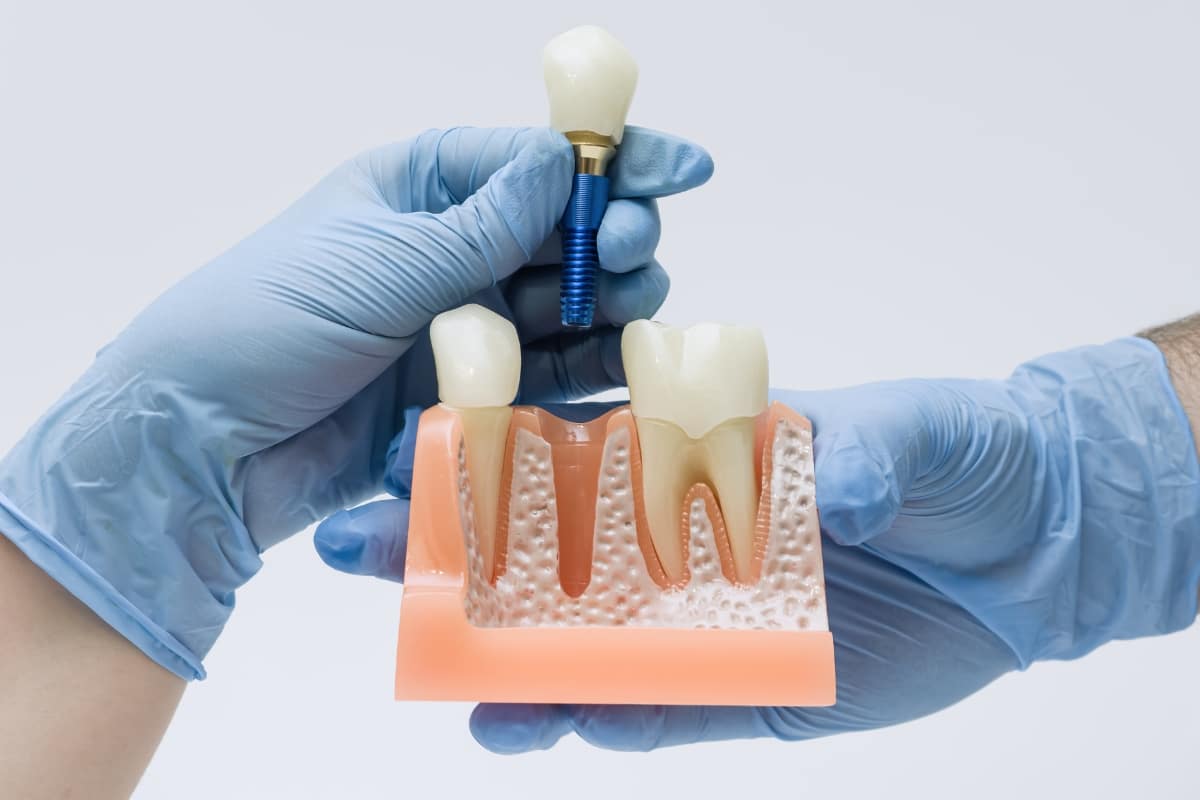
A dental implant is a small titanium post that goes into the jawbone. It acts like the root of a natural tooth. Once it heals and fuses with the bone (a process called osseointegration), a crown is placed on top. The result looks and functions like a real tooth.
Key Advantages
- Feels and looks like a natural tooth
- Preserves jawbone and prevents bone loss
- Does not rely on neighboring teeth for support
- Can last 20 years or more with proper care
- Easy to clean — brush and floss like normal
What to Keep in Mind
- Requires minor oral surgery
- Healing takes several months
- Higher upfront cost than dentures or bridges
- Not suitable for everyone, especially those with low bone density (though bone grafting may be an option)
For those who qualify, Dental Implants in Scottsdale offer a long-term investment that often pays for itself over time by avoiding the need for replacements or repairs.
To learn more about the implant process and what to expect, visit the American Academy of Implant Dentistry, which offers patient-friendly information on implant treatment.
What Are Dentures?
Dentures are removable replacements for missing teeth. Full dentures replace an entire arch (upper or lower), while partial dentures fill in gaps when some natural teeth remain. They sit on top of the gums and are held in place by suction, adhesive, or clasps.
Key Advantages
- Lower initial cost compared to implants
- No surgery required
- A fast solution when multiple teeth are missing
- Improved appearance versus no teeth at all
What to Keep in Mind
- Can slip or shift during eating and speaking
- Need to be removed and cleaned daily
- May cause sore spots on gums over time
- Do not prevent bone loss in the jaw
- May need to be refitted or replaced every 5 to 8 years
Dentures work well for patients who need a quick, budget-friendly fix. But many patients find them uncomfortable in the long run. If you already have a denture and it’s causing problems, it may be worth asking your dentist about implant-supported dentures, which combine stability with affordability.
What Are Dental Bridges?
A dental bridge fills a gap by anchoring an artificial tooth (called a pontic) to the natural teeth on either side of the space. Those anchor teeth are filed down and fitted with crowns, which hold the bridge in place. Bridges are fixed, meaning they don’t come out.
Key Advantages
- Less expensive than implants
- No surgery needed
- Fixed in place — no slipping
- Typically completed in just two dental visits
- Restores chewing function well
What to Keep in Mind
- Requires altering healthy neighboring teeth
- Harder to clean underneath the bridge
- Does not prevent bone loss at the missing tooth site
- May need replacement after 10 to 15 years
Bridges are a solid middle ground, especially for patients who are not good candidates for implants but want something fixed. The downside is that healthy adjacent teeth must be permanently modified to support the bridge.
For a helpful overview of bridge procedures, the American Dental Association (ADA) provides trusted guidance on bridge options and care.
Side-by-Side Comparison: Implants vs. Dentures vs. Bridges
Bone preservation: Implants win here. They are the only option that actively stimulates the jaw and prevents bone loss. Bridges and dentures do not.
Durability: Implants last the longest, often 20+ years. Bridges typically last 10 to 15 years. Dentures may need replacement every 5 to 8 years.
Comfort: Implants feel the most natural. Bridges are stable. Dentures can slip and require adjusting.
Cost: Dentures are the most affordable upfront. Bridges sit in the middle. Implants cost more at first but often save money in the long run.
Maintenance: Implants are the easiest to care for. Bridges require careful flossing beneath them. Dentures must be removed and soaked daily.
Surgery: Implants require a minor surgical procedure. Bridges and dentures do not.
Who Is a Good Candidate for Each Option?
Dental Implants May Be Right If You:
- Have one or more missing teeth
- Have healthy gums and adequate bone density
- Do not smoke heavily (smoking slows healing)
- Want a long-term, permanent solution
- Are in good overall health
Dentures May Be Right If You:
- Are missing most or all teeth
- Need a fast, affordable solution
- Are not a candidate for surgery
- Are comfortable with a removable appliance
A Bridge May Be Right If You:
- Are missing one tooth or a few teeth in a row
- Have strong teeth on either side of the gap
- Want a fixed option without surgery
- Have a moderate budget for tooth replacement
The National Institute of Dental and Craniofacial Research offers excellent background on oral health and can be a helpful starting point for patients doing research before a dental visit.
Frequently Asked Questions
1. How painful is a dental implant procedure?
Most patients report that the discomfort is less than they expected. Local anesthesia is used during the procedure. After surgery, some soreness and swelling are normal for a few days and are managed well with over-the-counter pain relievers.
2. How long do dental implants last?
With proper care, a dental implant can last 20 years or more. The crown on top may need replacement after 10 to 15 years, but the implant post itself is often permanent.
3. Are dentures covered by insurance?
Many dental insurance plans cover a portion of denture costs. Coverage for implants varies widely. It’s always worth calling your insurance provider to ask what’s included in your plan before making a decision.
4. Can a dental bridge fail?
Yes. If the teeth holding the bridge become decayed or weakened, the bridge can fail. Keeping up with regular cleanings and proper flossing helps extend the life of a bridge significantly.
5. What is the difference between implant-supported dentures and regular dentures?
Implant-supported dentures snap onto a set of implants placed in the jaw. They don’t slip and they help preserve bone. Regular dentures rest on the gums and can shift during eating and speaking.
6. How do I know if I have enough bone for an implant?
A dentist or periodontist will take X-rays or a 3D scan to assess your bone density. If bone loss has occurred, a bone graft may be recommended before placing the implant. Many patients who think they don’t qualify end up being good candidates after a bone graft.
7. Is the cost of dental implants worth it?
For most patients, yes. While the upfront cost is higher, implants tend to last much longer and require less maintenance than dentures or bridges. Over 15 to 20 years, the total cost often ends up being similar or even less.
Making the Right Choice for Your Smile
There is no single “best” option for everyone. The right tooth replacement depends on your health, your budget, your timeline, and your personal goals. What works well for one patient may not be the ideal fit for another.
At Periodontal Specialists in Scottsdale, AZ, the team works with each patient individually to review all available options and recommend what makes the most sense for their situation. Whether you’re exploring Dental Implants in Scottsdale for the first time or reconsidering a previous tooth replacement, getting a professional opinion is the best first step.
Don’t let confusion about your options hold you back from a healthier smile. Take the next step and schedule a consultation with a periodontist who can give you a full picture of what’s possible. You can also contact a local dental office to ask questions before committing to anything. A simple conversation can make the decision much clearer. Your teeth are worth investing in. Start with a conversation.